Aluminium and aluminum are two names for the same chemical element: Al, atomic number 13. The choice depends on the English you are writing, not on a different type of metal.
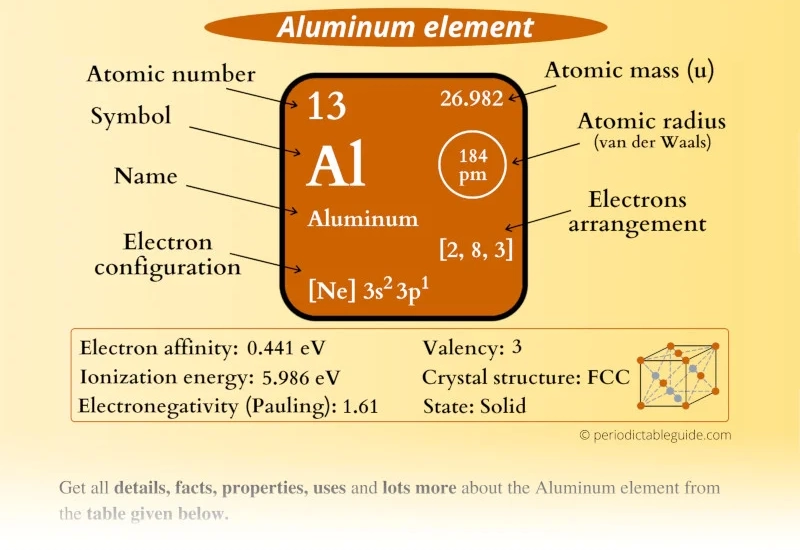
The spelling alone does not identify an alloy, purity level or strength. Aluminum foil and aluminium foil use different spellings for the same material name.
Which spelling should you use?
Use aluminum for American and Canadian English, and aluminium for British English, as Merriam-Webster’s usage guide explains. Aluminium is also the usual form in Australian and New Zealand English.
Usual spelling by English-language audience
| English audience | Usual spelling |
|---|---|
| United States | aluminum |
| Canada (English) | aluminum |
| United Kingdom | aluminium |
| Australia and New Zealand | aluminium |
Canada is worth checking: Canadian English generally follows the American form for this word. A simple “United States versus Commonwealth” rule would put it in the wrong group. Australian and New Zealand examples include Geoscience Australia and Te Ara.
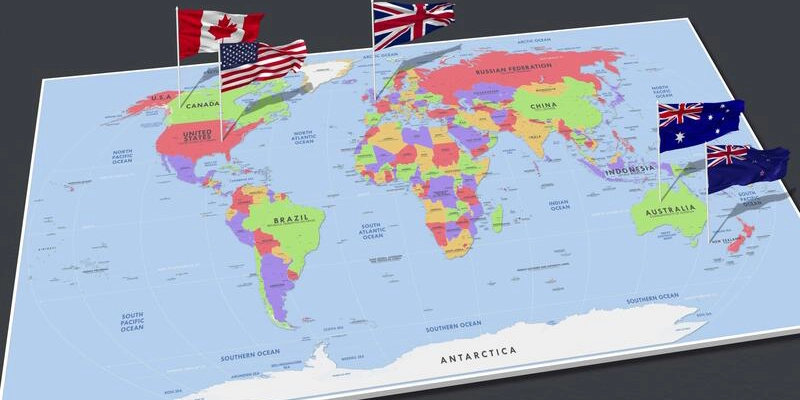
These are usual conventions, not universal rules for every writer. A publication’s house style can settle the choice for its own text. Without a specified house style, choose the form that matches your intended readers.
For a mixed international audience, select one English variety and keep the spelling consistent. Switching between the two forms does not make the text more technically precise.
How are aluminum and aluminium pronounced?
The extra i changes the usual spoken form as well as the spelling. These approximate guides follow Merriam-Webster’s aluminum and aluminium entries. Capital letters mark the main stress:
- Aluminum: uh-LOO-muh-num — four syllables; stress on the second.
- Aluminium: al-yuh-MIN-ee-um — five syllables; stress on the third.
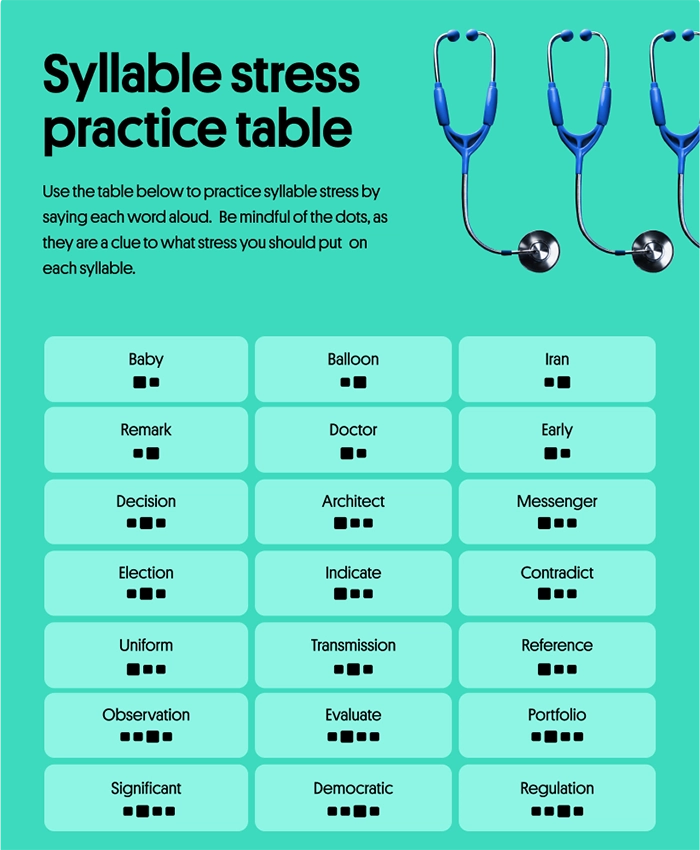
To say aluminium, pay attention to MIN rather than adding an extra sound at the end. The extra syllable comes with a different stress pattern. These are pronunciation aids, not phonetic notation or a complete guide to regional accents.
Why are there two spellings?
Both spellings belong to a naming history that also includes alumium, an earlier proposed name. Merriam-Webster traces the name to alumina, the oxide from which the element’s name was formed. The words are related, but alumina and aluminum are not interchangeable substance names.
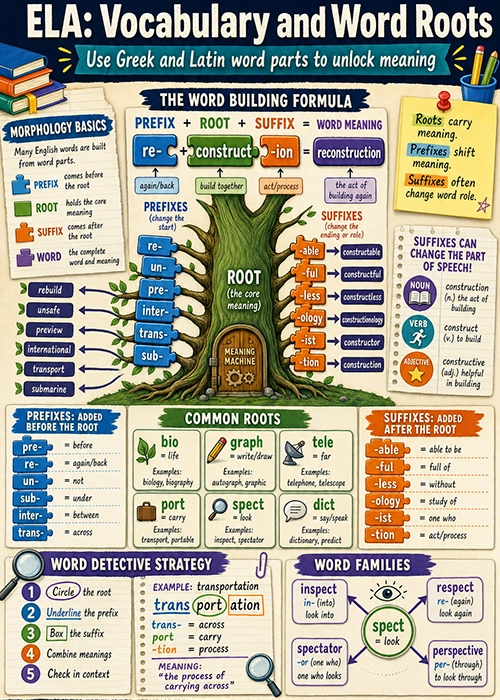
The -ium ending aligned aluminium with element names such as sodium and potassium. That naming analogy explains the extra i.
A proposed name and a dictionary’s earliest recorded use are different things.
- 1808 — a proposed name. Humphry Davy proposed alumium for the metal he was trying to obtain from alumina.
- 1811 — a dictionary record. Merriam-Webster gives this as the first known use of aluminium.
- 1812 — a dictionary record. Its aluminum entry gives this as that spelling’s first known use.

So which came first? In Merriam-Webster’s records, aluminium precedes aluminum, while alumium is an earlier proposal. That does not establish the first time anyone spoke either modern form.
These are naming dates, not dates of metal isolation. They do not support a simple story in which Americans deleted an i from one universally established spelling.
Which spelling does IUPAC use?
The International Union of Pure and Applied Chemistry (IUPAC) uses aluminium in its 2005 Red Book. Table I pairs aluminium with Al and atomic number 13. A footnote on the next page acknowledges aluminum as a commonly used alternative.
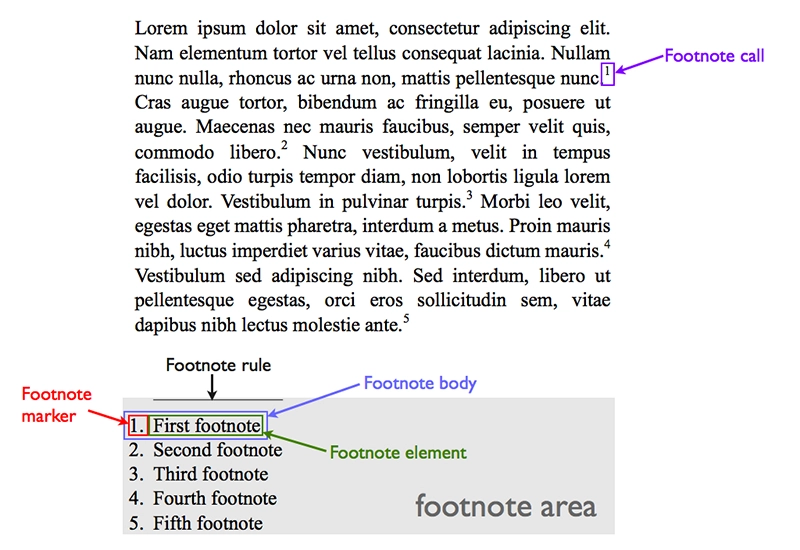
Read together, the entry and footnote explain why that reference uses aluminium without making aluminum incorrect English. That entry is not a reason to override ordinary American or Canadian spelling in general prose.
Choose the appropriate English variety and keep it consistent. Either spelling names the same element.