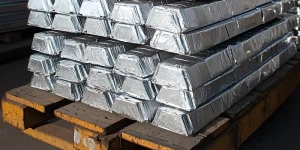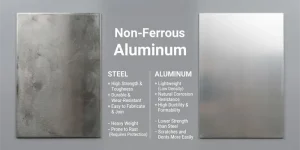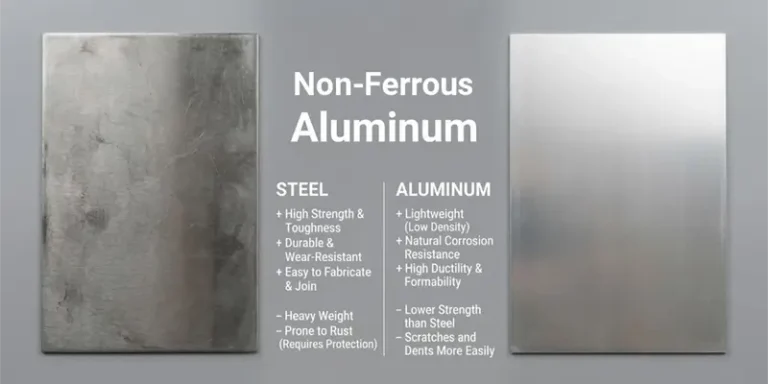
Yes. Aluminum is a non-ferrous metal because iron is not its base or principal constituent. Aluminum alloys can still contain small amounts of iron without becoming iron-based materials.
The label describes composition at a broad level. It does not identify an exact alloy or predict every property of a finished part.
Why Aluminum Is a Non-Ferrous Metal
The word ferrous refers to iron. In practical material classification, a ferrous metal is iron-based. A non-ferrous metal is not iron-based and does not contain appreciable iron in its composition.
The Non-Ferrous Founders’ Society definition uses this appreciable-amount boundary. It lists aluminum among non-ferrous metals. TWI’s guide to non-ferrous metals uses the same broad distinction.
This definition is not a zero-iron purity rule. Commercial aluminum is often an alloy rather than chemically pure aluminum. Other elements are added or remain in smaller amounts, while aluminum stays the base metal.
Finding some iron in a composition does not settle the classification by itself. The result must be read against the whole alloy and the metal that defines its material family.
Iron can therefore appear as a minor constituent without changing the overall family. The classification changes only when iron becomes the material’s controlling base or principal metal. There is no single universal iron percentage that classifies every metal product.
For classification, what matters is the metal that forms the alloy’s base. Smaller constituents can affect performance without replacing that base-metal identity.
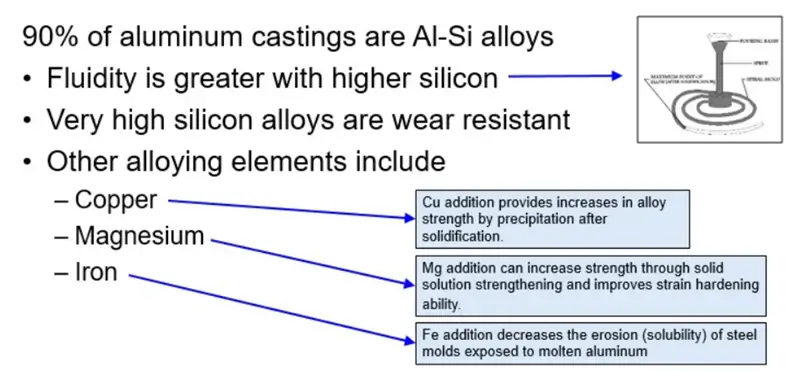
This is also why an alloy or material designation matters. The broad label is useful, but it is only the first level of identification.
An aluminum-base designation tells an engineer more than the word non-ferrous. The exact designation can distinguish alloy systems that respond differently to forming, heat treatment, machining, joining, or finishing.
Ferrous vs. Non-Ferrous Metals: What the Labels Tell You
Ferrous and non-ferrous labels divide metals by composition, not by one universal property. The table shows what each label can support and where exceptions begin.
| Check | Ferrous metals | Non-ferrous metals |
|---|---|---|
| Base or principal metal | Iron is the base or a major constituent. | Iron is not the base or an appreciable constituent. |
| Common examples | Carbon steel, cast iron, stainless steel. | Aluminum, copper, brass, nickel. |
| Minor constituents | Alloying additions do not remove the iron-base classification. | Small iron content may be present without making the alloy iron-based. |
| Magnet response | Many grades attract a magnet strongly, but some stainless grades may not. | Many do not show strong attraction, but nickel is a ferromagnetic exception. |
| Rust and corrosion | Iron-base materials can form iron rust; stainless steels behave differently. | They do not form iron rust, but they can still corrode in other ways. |
These labels narrow the material family. They do not identify an exact alloy, temper, product form, or performance level.
That is why the labels are useful for a first sorting decision. They separate iron-based materials from non-ferrous families such as aluminum, copper, and nickel. They cannot tell you which member of a family you have.
Stainless steel shows why the distinction needs care. It remains an iron-based, ferrous material even though some stainless grades show weak or negligible attraction to a hand magnet. Scrap and commercial groupings may also use the labels differently from formal metallurgy.
Rust is another limited clue. Iron-based materials can form iron rust, while aluminum forms different corrosion products. The separate guide on why aluminum can corrode without rusting like steel explains that distinction in more detail.
Why Non-Ferrous Does Not Mean Nonmagnetic
Composition and magnetic behavior describe different things. Non-ferrous tells you that iron is not the base metal. It does not guarantee a weak magnetic response.
Nickel is the clearest counterexample. Metallurgical sources classify nickel as non-ferrous, while Georgia State University’s HyperPhysics reference explains that nickel is ferromagnetic. A non-ferrous metal can therefore attract a magnet strongly.
Ordinary aluminum does not show the strong attraction associated with carbon steel. That observation can help with screening, but it is not the reason aluminum is non-ferrous.
Can a Magnet Test Identify Aluminum?
A magnet can narrow the possibilities, but it cannot positively identify aluminum. Industry guidance on checking metal materials with a magnet draws the same line: a result may rule out one candidate without proving another.
Strong local attraction points to a ferromagnetic material at that location. No attraction still leaves aluminum, copper alloys, some stainless steels, and other possible materials.
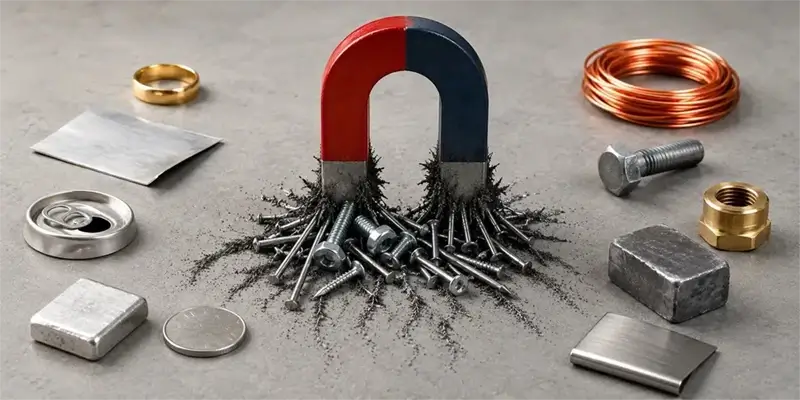
Use the result as one clue, then check the part in a controlled sequence:
- Test a clean, exposed point on the suspected base material.
- Compare more than one location on the part.
- Test fasteners, inserts, and brackets separately when possible.
- Treat non-attraction as unresolved rather than as proof of aluminum.
- Check the material designation or use suitable material analysis when identity matters.
A clean, exposed point reduces interference from surface buildup or nearby hardware. Testing several locations helps separate the base material from local hardware. These steps make the comparison more consistent, but they do not turn it into a composition test.
Surface shape, thickness, finish, and product form can affect a comparison. A small hand magnet also gives a qualitative observation, not a chemical composition result.
Color and apparent weight are not enough to identify the material. Coatings, surface finishes, hollow sections, and part geometry can make different metals look or feel similar. A purchase record, drawing, material certificate, or suitable analysis carries more identification value.
Mixed assemblies are another common source of misleading local results. An aluminum body may include a steel fastener, insert, spring, bracket, or hidden reinforcement. Local attraction may come from that attachment rather than the aluminum base.
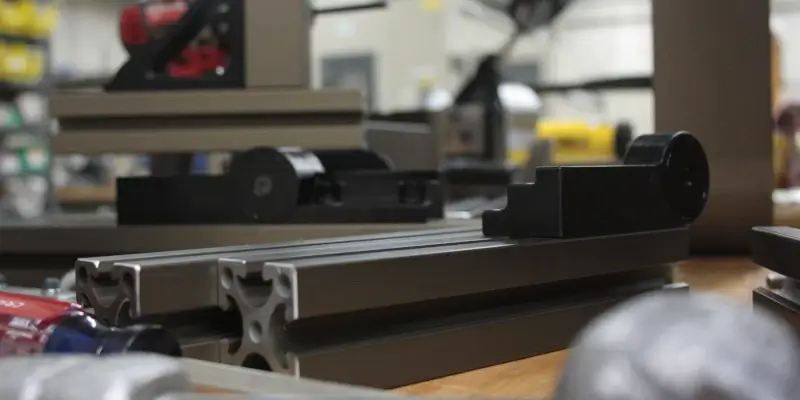
Test the body and attachments separately when access allows. If material identity affects machining, finishing, joining, safety, or procurement, confirm the designation through documentation or an appropriate analysis method.
What “Non-Ferrous” Tells You About a Manufactured Part
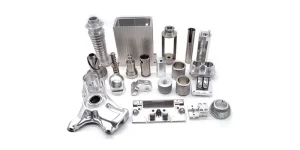
The non-ferrous label tells you which broad composition family a part belongs to. It can rule out an iron-based base metal, but it does not specify the exact material needed for production.
A manufacturing decision still depends on the alloy or material designation and the product form. Temper or condition may also matter. Attached hardware, finish, service environment, and drawing requirements can change the process plan.
The material designation is especially important when a process depends on hardness, heat-treatment condition, weldability, or surface response. Two non-ferrous parts can need different production routes because the class includes many unrelated alloy systems.
The class label alone cannot set machining parameters, joining methods, finish compatibility, strength, conductivity, or corrosion performance. Those decisions require the actual material and part requirements.
At Zheng Ji Aluminum, we review the material designation, product form, drawing, attached hardware, and finish before planning a custom extrusion or machined part. Those inputs matter more than the non-ferrous label in manufacturing.